
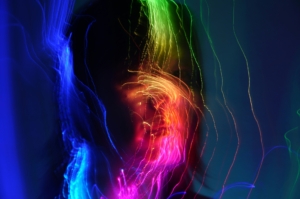
Synesthesia is a neurological condition in which stimulation of one sensory or cognitive pathway leads to involuntary experiences in another. For example, someone might see colors when they hear music or taste specific flavors when hearing or speaking certain words. While viewed as an uncommon trait, synesthesia continues to fascinate researchers, especially when it comes to its connection to mental health.
What Is Synesthesia?
 Synesthesia is not a disorder, but rather a unique way of processing information, one estimated to affect 2–4% of the population. Synesthetes (people who experience synesthesia) often report consistent, involuntary connections between two or more senses. These associations may include common forms, such as grapheme-color synesthesia (seeing letters or numbers in specific colors), or rarer types, like mirror-touch synesthesia (physically feeling a touch when observing someone else being touched).
The Overlap with Mental Health Conditions
Recent studies have uncovered interesting links between synesthesia and several mental health conditions, including:
- Anxiety and Depression: Some synesthetes note heightened emotional sensitivity, which may contribute to or intensify mood disorders. Intense sensory input, though not inherently negative, can be overwhelming for some individuals, especially in stressful environments.
- Autism Spectrum Disorder (ASD): There may be a prevalence of synesthesia among individuals on the autism spectrum. Both involve atypical sensory processing and enhanced perceptual awareness. This overlap may point to shared developmental pathways, though further research is needed to draw any meaningful conclusions.
- Post-Traumatic Stress Disorder (PTSD): Certain case reports suggest that individuals with PTSD may develop synesthesia-like responses following trauma. For example, a sound might trigger a vivid visual flashback. While these responses differ from traditional synesthesia, they highlight how trauma can alter sensory processing and perception.
- Schizophrenia and Psychosis: Although rare, some research highlights possible links between synesthesia and the altered perceptions found in psychotic conditions. One important distinction is that synesthetic experiences tend to be consistent and non-distressing, while psychotic symptoms tend to be fragmented, frightening, and disconnected from reality.
Strengths and Setbacks of Being a Synesthete
It’s important to note that synesthesia is not inherently problematic. In fact, many synesthetes consider it a meaningful aspect of their identity. Studies have found that synesthetes may be more likely to excel in creative activities such as art, music, and writing. They also often showcase enhanced memory, innovative thinking, and a vivid imagination.
However, these strengths can sometimes come with challenges. In overstimulating environments, such as loud or visually busy spaces, some synesthetes may experience sensory overload, leading to fatigue, anxiety, or emotional overwhelm. Others may find it difficult to describe their experiences or fear being misunderstood.
Reacting with Compassion
Whether you’re a mental health professional, educator, or simply a curious friend, approaching synesthesia with empathy and curiosity is essential. Because synesthesia is rarely discussed in everyday mental health conversations, individuals who experience it may not realize that others do too. When mental health struggles are also present, this lack of awareness can compound confusion and distress.
For providers, paying attention to clients’ sensory experiences can open important insights into how they perceive the world. For example, a person who describes sounds in colors or emotions in scents might not be speaking metaphorically. They could be expressing their genuine reality. Validating these experiences without pathologizing them helps normalize neurodiversity in therapy and everyday life.
Information on Synesthesia is Evolving
The connection between synesthesia and mental health is still a developing area of study. As scientists continue researching synesthesia, we’re gaining a deeper understanding of how the brain translates sensory input and adapts to complex experiences.
Ultimately, neurodiversity (including synesthesia) adds depth to the human experience. By helping make sense of these differences, we can move toward a more inclusive and understanding world.
If you’re struggling and you’d like to work with an experienced therapist, reach out to DK Therapy and book an appointment with our office.