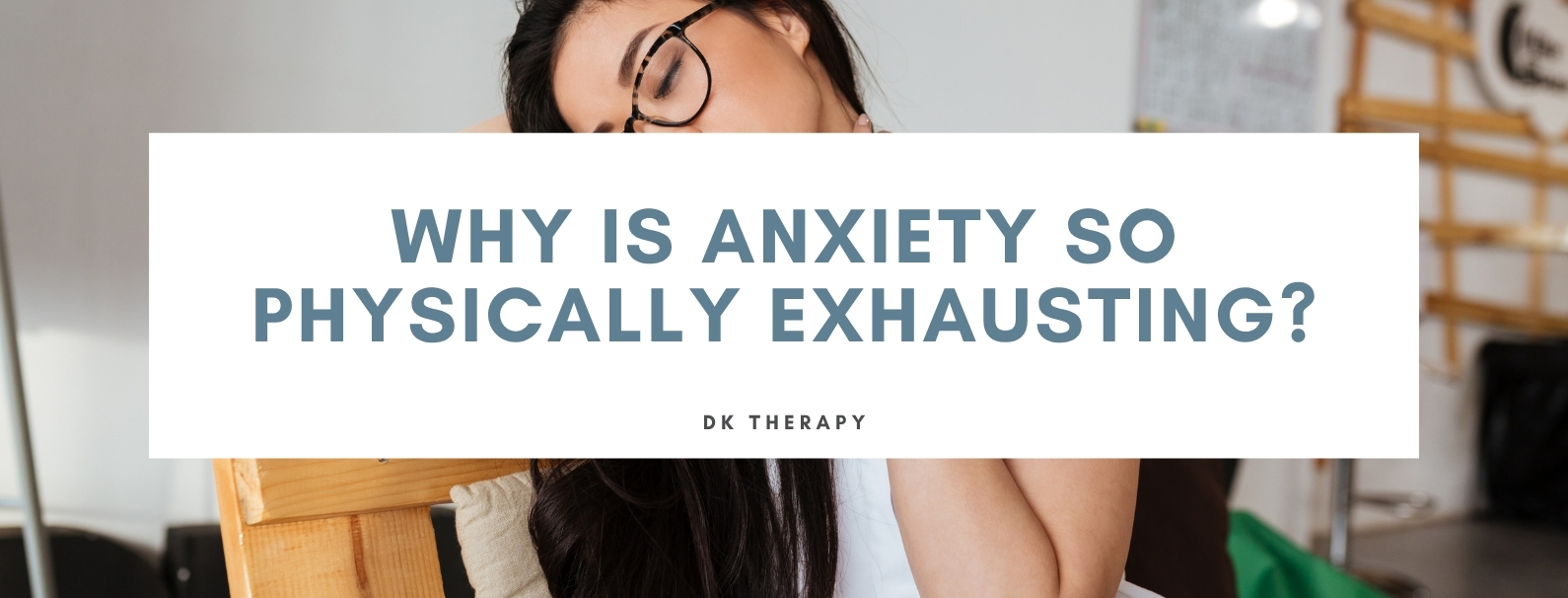
For plenty of people, living with anxiety is mentally exhausting. However, it can also leave you feeling drained in a physical sense, even when you haven’t done anything especially strenuous. Spending hours worrying or feeling on edge takes a lot of energy, especially when your body is constantly prepared to respond to a threat.
Understanding the connection between anxiety and physical exhaustion can help you recognize why you feel so tired during stressful periods. Anxiety exhaustion isn’t just feeling worn out after a difficult day. Your body’s response to ongoing stress also plays a role.
How Anxiety Affects Your Body
 When you’re anxious, your body responds to the sense that something’s wrong or that a threat is present. Your heart rate might increase, your breathing changes, and your muscles tense as a result of the fear you’re experiencing.
This response is helpful when you’re facing an immediate threat, but anxiety can activate the same response when you’re worried about something that hasn’t happened. You could be sitting at home and thinking about an upcoming situation, and your body prepares to deal with the problem ahead as if it’s happening now.
When this happens repeatedly, anxiety exhaustion ensues.
Why Staying Alert Takes So Much Energy
Anxiety exhaustion is the result of staying alert for possible problems. For example, you might spend hours thinking about what could go wrong or paying close attention to anything that might signal trouble ahead. Even when you’re sitting still, you might still feel stress and tension.
Your shoulders might feel tight, or you may clench your jaw without realizing it. After several hours, tension like this can leave you feeling sore or worn out.
You need opportunities to relax after dealing with stress. When anxiety keeps you in a state of high alert, you might not get enough of those opportunities to recover.
How Anxiety Can Affect Your Sleep
Anxiety can make getting enough sleep more difficult, too. Racing thoughts can keep you awake when you’re trying to fall asleep, and nighttime worries might cause you to wake up, then toss and turn for hours.
You may then start the next day already tired. When you don’t get enough rest, managing anxious thoughts is difficult and may lead to more worrying at night.
Gradually, poor sleep can compound the physical exhaustion you’re already experiencing from anxiety.
What Does Anxiety Exhaustion Feel Like?
Anxiety exhaustion doesn’t always mean that you feel like you could fall asleep at any moment. Instead, you may notice that you have less energy for your normal routine or that everyday responsibilities are harder to get through.
You might experience:
- Feeling drained after ordinary activities
- Muscle tension or headaches
- Difficulty concentrating
- A general feeling of being worn down
In addition, when you’re dealing with uncomfortable physical symptoms while managing anxious thoughts, getting through the day may require more energy than usual.
When Anxiety Exhaustion Becomes a Problem
Ongoing exhaustion deserves attention when it starts interfering with your everyday life or continues even after you’ve had enough opportunities to rest.
It’s also important to remember that anxiety isn’t the only possible cause of feeling tired all the time. Other mental or physical concerns may contribute to feeling exhausted. If you’re regularly dealing with unexplained fatigue, talking with a healthcare professional can help you figure out what may be contributing to it.
When Anxiety Leaves You Drained
You don’t have to wait until you’re completely exhausted before taking your anxiety seriously. If constant worry regularly leaves you feeling physically drained, it may be time to look at what’s bringing about that exhaustion.
Learning to manage anxiety can make it easier to give your mind and body the rest they need. If you’re struggling and you’d like to speak with an experienced counselor, please reach out to DK Therapy to schedule an appointment with our office.