
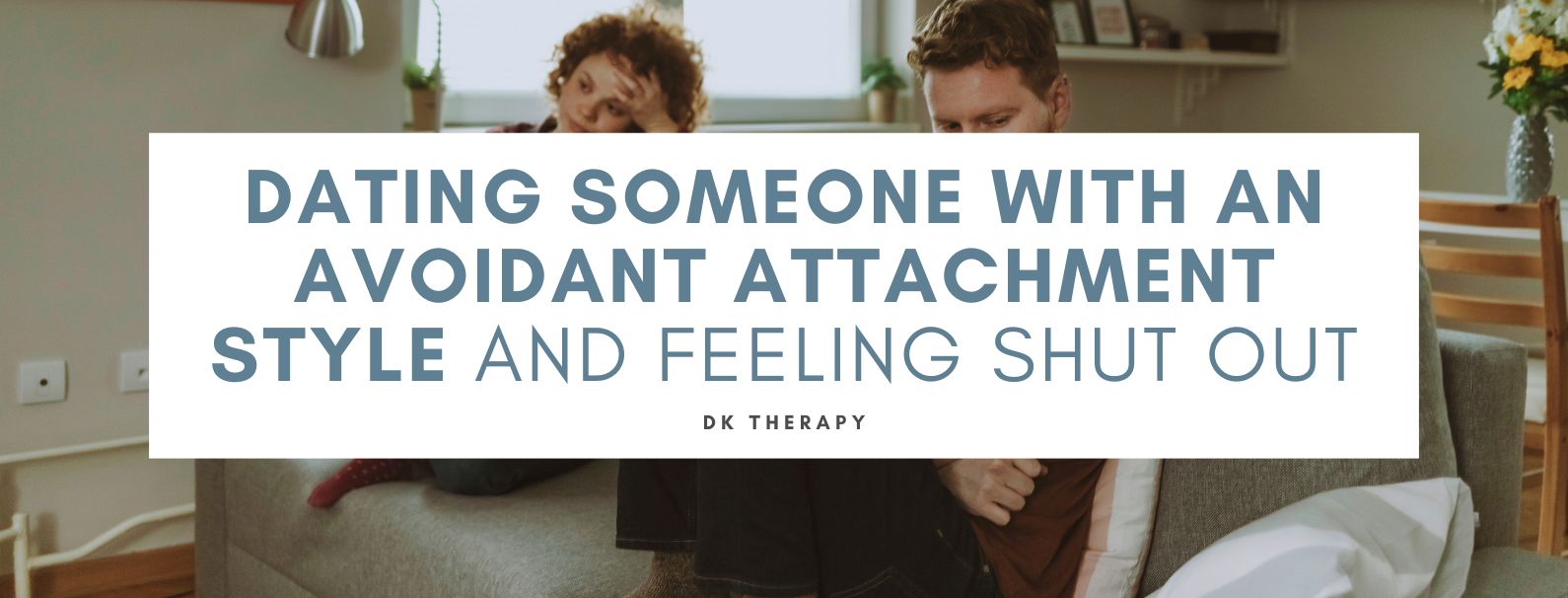
At the beginning of your relationship, your partner might have seemed emotionally available enough. Conversations were easy and spending time together felt natural. However, once things became serious, you might have noticed them starting to pull away. In-depth conversations started getting harder to initiate, and conflict could have led to distance instead of normal resolutions.
After a while, uncertainty can start affecting the relationship. Let’s take a closer look at how avoidant attachment can affect emotional connection and self-esteem.
Why Avoidant Attachment Starts Affecting Your Confidence
 When someone repeatedly pushes you away, it’s easy to take it personally. Even if you understand that your partner has a hard time with closeness, it can still hurt. You might notice yourself becoming nervous before bringing up your concerns, because you already expect that the conversation will end badly.
For example, you might mention feeling hurt about something small, and your partner with suddenly becomes cold or ignores you afterward. Instead of talking through the issue together, you end up replaying the conversation alone. Eventually, that pattern can make you stay quiet about things that genuinely matter to you, because what’s the point?
When You Start Carrying the Relationship Alone
Plenty of loving and reasonable people respond to emotional distance by putting more effort into their relationships. They do their best to stay calm during arguments, and they’re careful about how they bring up concerns. In some cases, they may stop asking for reassurance because they know they’ll be disappointed.
If you’re in one of these situations, you may find yourself rewriting and reviewing your text messages before sending them, just because you don’t want your avoidant attachment partner to withdraw again. You might also jump to apologizing right away, even if you’re still upset, because the silence afterward feels worse than ignoring how you feel.
Gradually, your needs are pushed aside, and you spend all of your time trying to maintain a connection that you’re the only one working for.
Communication Issues with Avoidant Attachment
Healthy communication depends on both people being emotionally present during difficult moments. That said, avoidant attachment tends to interrupt conversations before anything can be resolved. One person shuts down emotionally while the other is practically begging for a connection.
After enough rounds of this, plenty of people with avoidant partners stop talking about what they’re feeling altogether. They, instead, convince themselves that bringing things up only widens the distance.
Paying Attention to What the Relationship Is Doing to You
It’s important to pay attention to how the relationship affects your emotional well-being. Feeling ignored once in a while is vastly different from constantly being shut out by your partner. If you spend most of your time anxious or feeling emotionally neglected, it’s something to pay attention to.
A healthy relationship should allow room for honesty and emotional connection. While avoidant attachment can explain certain behaviors, it doesn’t erase the effect those behaviors have on you as a loving partner.
Stop Speaking Into Empty Space
There’s a point where the issue stops being about how to communicate better and starts being about whether your partner is trying at all. You can keep showing up and trying to make things easier to hear, but none of that changes what it feels like when your partner won’t meet you halfway. Closeness in a relationship shouldn’t feel like something you have to beg for. When it starts to feel that way too often, it’s worth taking a look at what your next steps should be.
If you’re struggling with your partner’s avoidant attachment and you’d like to speak with someone who can help, an experienced counselor might be the best option. Reach out to DK Therapy to book an appointment with our office, and we’ll be there to help.