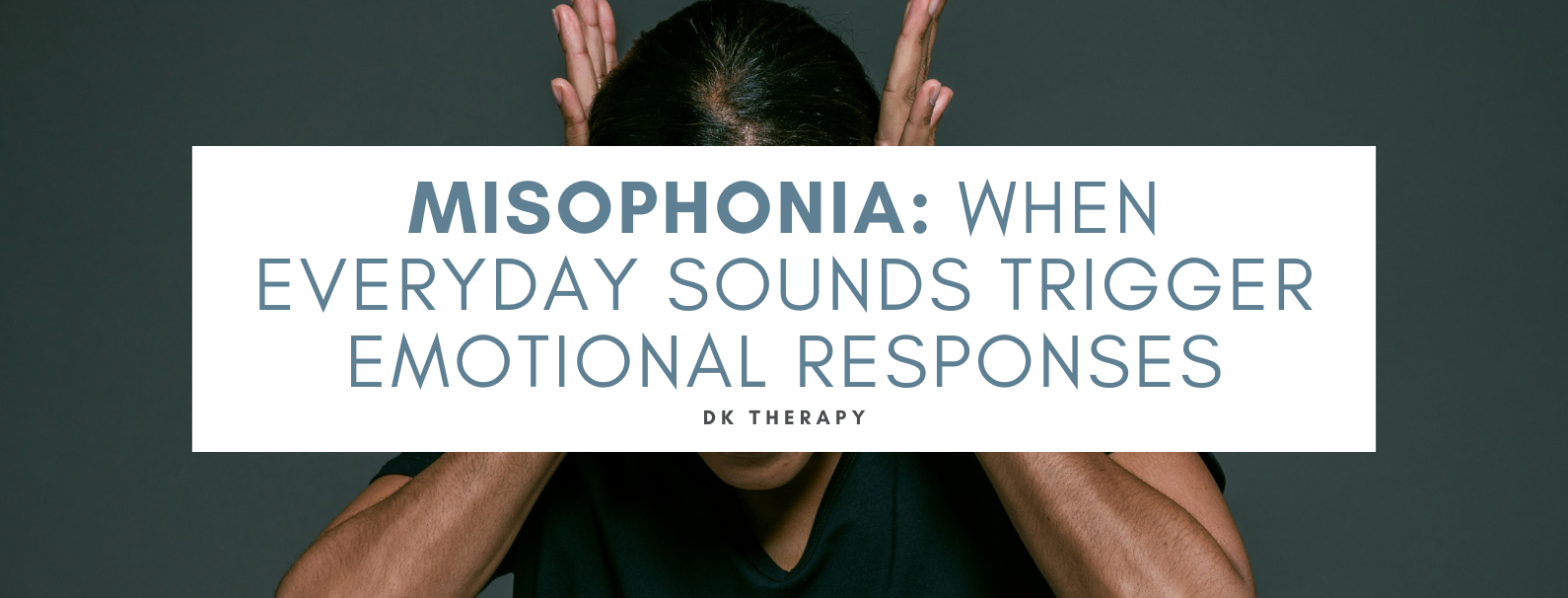
For most of us, the sounds of chewing or tapping fade into the background of daily life. But for those of us with misophonia, these sounds can provide intense emotional reactions, ranging from mild irritation to outright rage. Understanding this condition is important in order to be empathetic and create accommodating environments for those affected.
 What is Misophonia?
Misophonia, which translates to “hate of sound,” is a condition where specific sounds trigger strong negative emotional responses. These triggers, known as “misophonic triggers,” are often repetitive sounds such as:
- Chewing or slurping
- Pen clicking
- Foot tapping
- Breathing noises
- Silverware scraping on plates or teeth
While these sounds might seem mundane to the average person, they can cause significant distress for someone with misophonia. This reaction is not simply a preference or annoyance but a deeply ingrained, visceral response to the stimuli in question.
The Science Behind Misophonia
The exact cause of misophonia is unclear, but research suggests that it may stem from an overactive connection between the auditory system and the brain’s emotional processing centers. Studies show that there is often heightened activity in the anterior insular cortex (a part of the brain associated with emotional regulation and sensory perception) in individuals with misophonia.
Though the condition is not yet recognized as a standalone psychiatric disorder, growing awareness has led to increased research and validation of misophonia as both a legitimate and impactful condition.
Recognizing the Symptoms
Misophonia usually begins in late childhood or early adolescence and tends to worsen over time if left unaddressed. Common symptoms include:
- Intense emotional reactions to specific sounds
- Physical tension or discomfort upon hearing trigger noises
- Avoidance of certain social situations to minimize exposure
- Difficulty concentrating in environments with trigger sounds
These reactions can disrupt daily life, impacting relationships, work, and mental well-being.
Coping Strategies for Misophonia
Although there is no cure for misophonia, several strategies can help individuals manage their symptoms:
- Sound Therapy: Masking trigger sounds with white noise or soothing music can provide relief in triggering situations.
- Cognitive Behavioral Therapy (CBT): This form of therapy helps reframe emotional responses to triggers and develop effective coping mechanisms.
- Noise-Canceling Headphones: These devices can block out environmental noises, which offers a sense of control for affected individuals.
- Mindfulness and Relaxation Techniques: Practices like meditation and deep breathing can help regulate emotional responses.
Family and friends can also play a helpful role in condition management by making an effort to understand their loved one’s experience and working to minimize triggering sounds.
Misophonia in Everyday Life
Living with misophonia can be unpleasant, especially in environments where triggers are unavoidable. Public spaces, workplaces, and social gatherings can become overwhelming quite quickly when triggering sounds are present. To work around these challenges, individuals often develop creative ways to navigate their surroundings, such as choosing quiet seating in restaurants or scheduling work during less busy hours.
Raising Awareness
One of the biggest challenges for individuals with misophonia is the lack of understanding from others. Many people dismiss their reactions as irrational or dramatic, which often isolates those affected. Education and awareness are essential when fighting against the stigma.
Open communication can also be a great help. Sharing information about misophonia with colleagues, friends, and family can make it easier to build a supportive environment around loved ones with misophonia. When people understand that this condition is real, they are more likely to accommodate and empathize.
Misophonia is a complex condition that affects not just hearing but emotional well-being and social interactions. While it presents unique challenges, increased awareness and effective coping strategies can empower individuals to lead fulfilling lives despite their triggers.
If you’re struggling and you’d like to see what therapy can do for you, reach out to DK Therapy to schedule an appointment with our office.